Waterlow Park
A Garden for the Gardenless
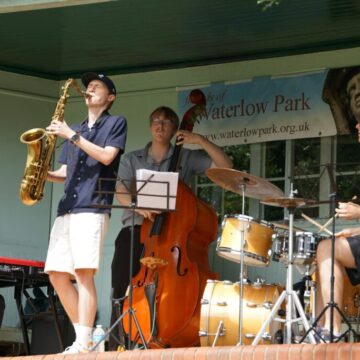
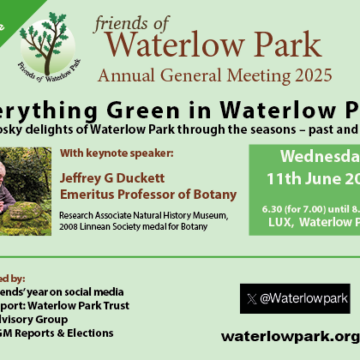

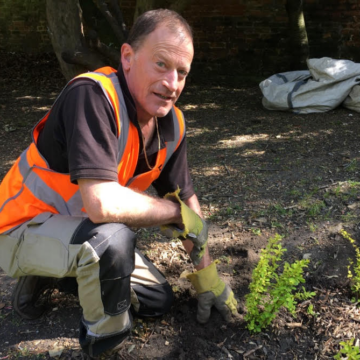
This website is run by The Friends of Waterlow Park (FoWP) which is an independent local amenity group set up to be the voice of park users and to provide opportunities for volunteering in a range of activities (new joiners welcome). FoWP was formed in 1992 under the auspices of Camden Council and round the millennium FoWP worked with Camden and English Heritage to restore the historic Park’s splendour helped by Heritage Lottery Funding. Camden are managers of the Park through the Green Spaces team, as well as the corporate Trustee of The Waterlow Park Trust. There is a Trust Advisory Group [TAG] which liaises with Camden on strategic and policy issues and has operational oversight. FoWP has two seats on the committee. FoWP engage with Camden both via TAG and Volunteer Groups. You can find out more about the Trust and the advisory group on www.waterlowparktrust.org.uk


Know Waterlow Park
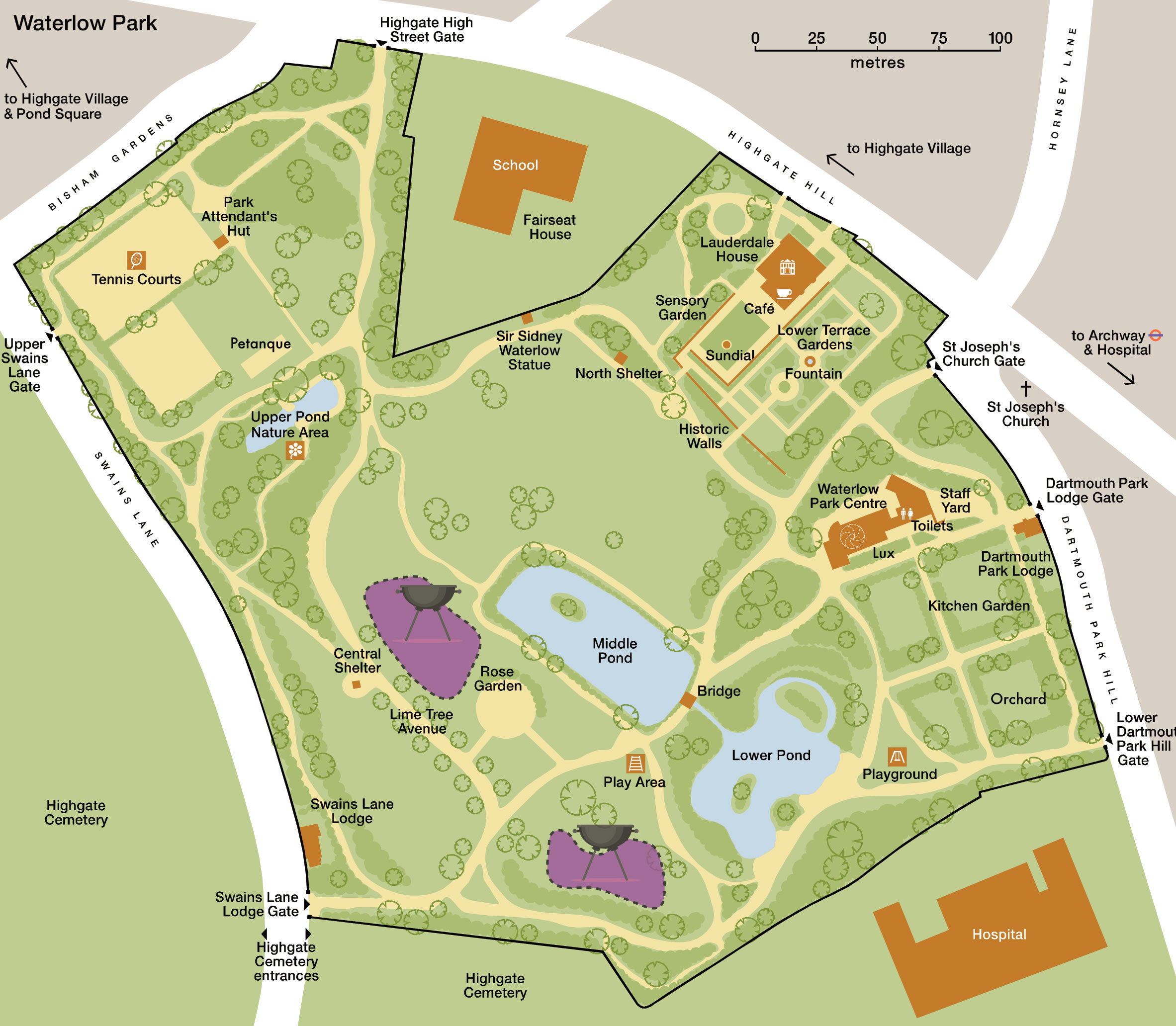
Click the map to see where everything is in the park, from the Cafe in Lauderdale House to Lux in the Waterlow Park Centre and more. A handy guide to the Park and its main features is available here. You can follow the ‘trail’ starting and finishing at Lauderdale House.